

Passive Modalities
Passive Modalities — Shockwave, Laser, PEMF, Aqua Massage, Spinal Decompression
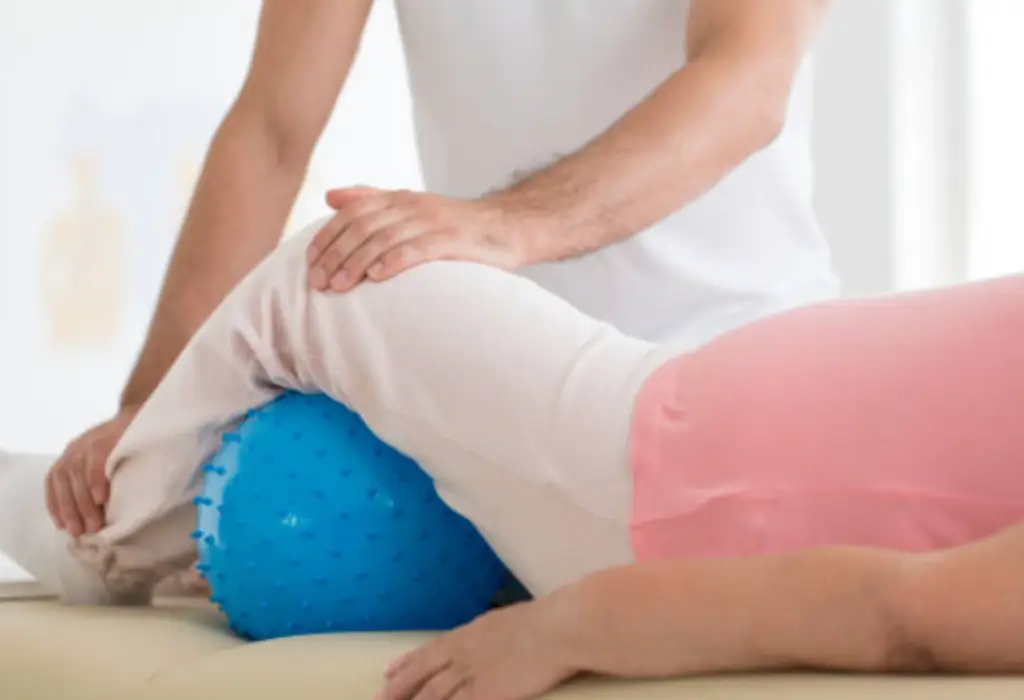
Passive modalities are not a substitute for active rehabilitation. They are tools that, when used at the right point in a treatment plan, make active rehab easier or faster. Each tool has specific indications, contraindications and an evidence base — we will explain ours.
What we offer
- Shockwave therapy. Radial and focused shockwave for chronic tendinopathy — plantar fasciitis, Achilles, patellar, calcific shoulder. 3–6 sessions.
- Low-level laser therapy (LLLT). Cold laser for soft-tissue healing and pain modulation. Used in soft-tissue injury and post-MVA rehab.
- Pulsed Electromagnetic Field therapy (PEMF). For bone healing support, soft-tissue recovery and selected chronic-pain presentations.
- Aqua massage. Pressurised warm-water massage delivered through a contained bed. A pre-treatment relaxation modality and a useful tool for patients who cannot tolerate manual massage.
- Spinal decompression. Mechanical traction for selected disc-related low back and neck conditions. Patient-specific protocol delivered after assessment.
How we use them in your plan
You will never receive a passive-only plan. Every modality session is paired with active rehabilitation, manual therapy, or assessment progression. We use passive modalities in three situations: to reduce pain so active rehab is tolerable; to accelerate tissue healing in conditions where the evidence supports it; and as a comfort-and-recovery layer in complex rehabilitation plans.
When passive modalities help
- Chronic tendinopathy not responding to active care alone (shockwave, LLLT)
- Acute soft-tissue injury where pain is limiting active work (LLLT, PEMF)
- Disc-related back or neck pain in selected patients (spinal decompression)
- Post-MVA soft-tissue tension and pain (aqua massage)
Patients who cannot tolerate manual treatment yet (aqua massage, LLLT)
Frequently asked questions
Are passive modalities covered?
They are typically covered when delivered as part of an OCF-18 plan or a WSIB-authorised course of physiotherapy. Standalone use is rarely funded.
Will they replace exercise?
No. Exercise is the treatment; these tools support it.
Are they safe?
When delivered by a regulated provider after screening for contraindications, yes. We screen at intake.